Home › Gravel-to-Asphalt Conversions
Tired of ruts and dust from your gravel drive Use our gravel to asphalt driveway service in Cleveland, OH to upgrade to a smooth blacktop surface. We shape and compact your base, then install quality asphalt for cleaner vehicles, easier snow removal, and a more polished look.
Precision Asphalt Cleveland provides professional gravel to asphalt driveway throughout Cleveland, OH, Ohio and the surrounding area. Our licensed, insured crew delivers safe, clean, on-time work with a free estimate before anything begins. Call (216) 455-8661 or request your free quote.
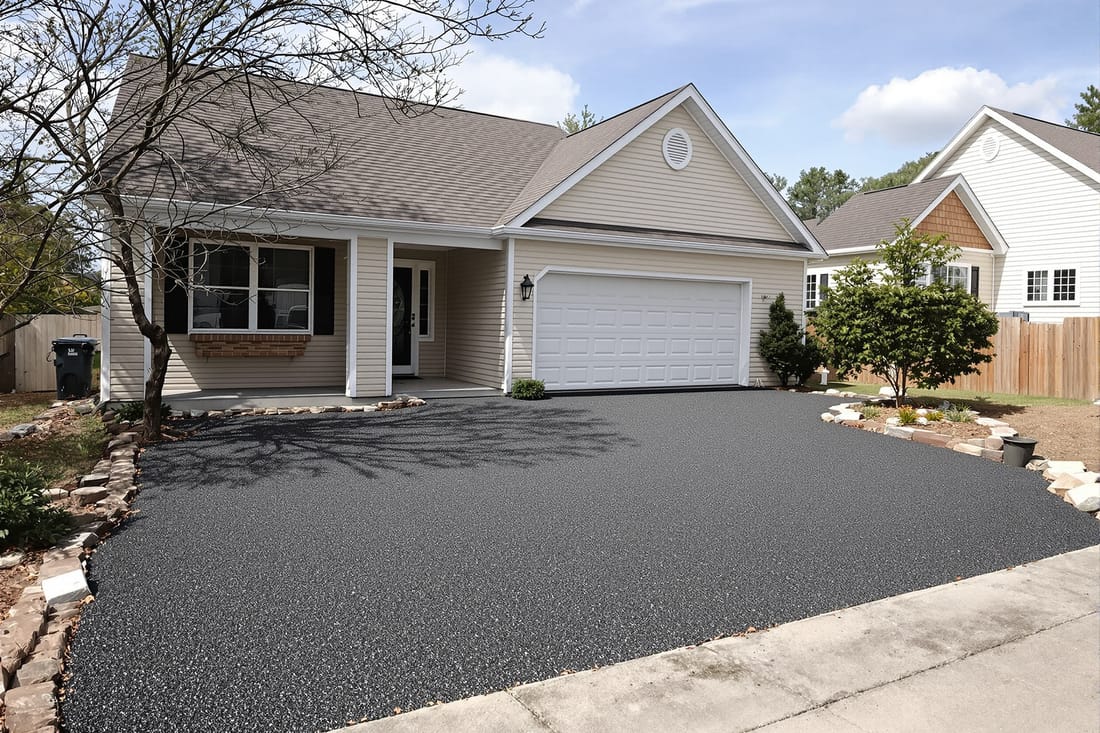
Turn Your Gravel Driveway Into a Clean, Solid Asphalt Surface
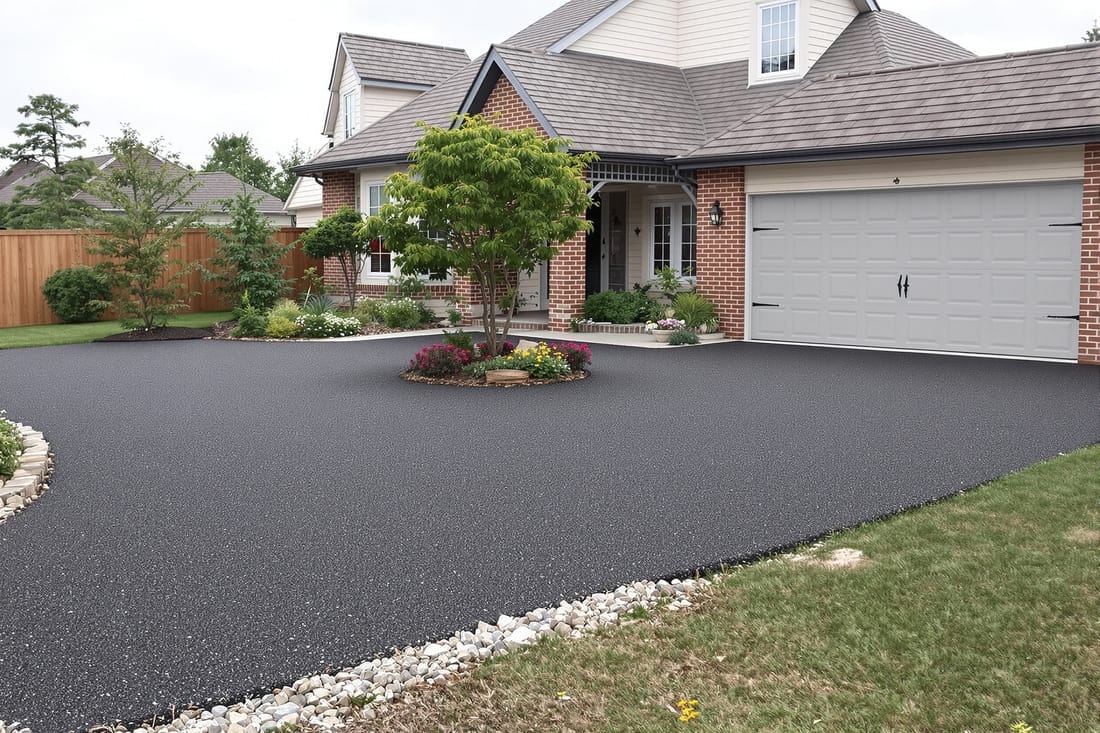
If you are tired of ruts, mud, and loose stone, a gravel to asphalt driveway conversion can make daily life a lot easier. Precision Asphalt Cleveland helps homeowners and small businesses across the Cleveland, OH area trade messy gravel for a smooth, durable asphalt surface that looks sharp and is easier to maintain.
We approach gravel to asphalt driveway projects differently from a basic overlay. A good conversion starts with understanding what is happening under your current gravel. We look for soft spots, drainage issues, and areas that always stay wet or frost heave in winter. That information drives how we rebuild your base so your new asphalt does not crack or sink after the first few Cleveland freeze-thaw cycles.
From the first site visit, our goal is to give you clear, realistic expectations on cost, timeline, and what your driveway will look like, not vague promises. You will know exactly what is included and what might be optional before any work begins.
Step 1: On-Site Evaluation, Drainage, and Base Planning
In Northeast Ohio, the success of a gravel to asphalt driveway conversion depends more on the base and drainage than on the asphalt itself. During your on-site evaluation, a Precision Asphalt Cleveland estimator walks the entire driveway, checking:
• Thickness and condition of the existing gravel layer
• Soft, pumping, or spongy areas that indicate poor subsoil
• Low spots that collect standing water after rain or snowmelt
• How water currently sheds toward the street, yard, or house
Based on what we find, we design a base plan that fits your exact driveway instead of using a one-size-fits-all approach. On level, well-drained lots, we might be able to rework much of your existing gravel, then add compacted limestone base on top. In low or wet Cleveland yards, we may recommend undercutting (removing several inches of poor soil), installing geotextile fabric to separate soil from stone, then building up a thicker base.
We also look at how Cleveland winters will affect your driveway. Driveways that run downhill toward the street may need small swales or subtle grading to prevent ice sheets at the apron. If your driveway slopes toward the house, we discuss installing a small trench drain or adjusting the grade so water moves safely away from foundations.
Step 2: Excavation, Base Building, and Compaction
Once we have a plan, our crew begins by shaping the driveway. For most gravel to asphalt driveway conversions in Cleveland, we follow a sequence like this:
1. Strip and regrade the existing gravel. We pull off excess loose stone, redistribute it, and rough-grade the surface.
2. Undercut weak areas if needed. In spots that pump or sink under the roller, we dig out poor soil and replace it with stone. This is key in older east side neighborhoods with clay-heavy soils.
3. Install geotextile fabric where appropriate. This fabric sits between the soil and the new stone, helping prevent stone from pushing into the subgrade and keeping the base stable over time.
4. Add and compact new base stone. Typically we use crushed limestone, in lifts (layers) of 2 to 4 inches. Each layer is compacted with a heavy roller or plate compactor, not just once at the end.
5. Shape the final grade. We establish the correct crown (slight high point in the center) or side-to-side slope so water drains off instead of pooling.
Good compaction is the part many low-cost contractors skip, and it is also what matters most in a Cleveland climate with constant freeze-thaw. We compact until the base is firm enough that shoe prints are shallow and there is no movement under a loaded truck. Only then do we move to paving.
Step 3: Asphalt Paving Options and Installation Details
With the base ready, we pave. For a typical residential gravel to asphalt driveway in Cleveland, OH, we recommend:
• 2.0 to 2.5 inches of compacted asphalt for light residential use
• 3.0 inches compacted (often in two lifts) if you regularly park work trucks, RVs, or trailers
Precision Asphalt Cleveland uses hot mix asphalt specified for our region, designed to handle freeze-thaw cycles and deicing salts. The mix type and thickness affect cost, so we talk through what actually drives price: driveway length and width, curve complexity, base repair needs, thickness of asphalt, and site access for our trucks and pavers.
On paving day, we bring in the asphalt while it is hot, spread it with a paver for consistent thickness, then compact it with steel drum and rubber-tire rollers. Joints at the garage, street, and sidewalks are carefully tied in to avoid trip edges. We also pay close attention to your apron at the street, which in many Cleveland suburbs has to transition cleanly to city asphalt or concrete.
If you prefer a more refined finished look, we can hand-shape the edges and, where appropriate, slightly recess the asphalt at the garage to allow for future floor coatings or thresholds.
Local Weather, Timing, and Common Issues We Solve
Cleveland’s weather shapes how and when we do gravel to asphalt driveway conversions. We generally schedule paving from late spring through early fall when ground temperatures are warm enough for proper compaction and curing. Early spring and late fall can work, but only when daytime and nighttime temperatures cooperate.
Rain is another big factor. Paving on a soaked base leads to premature failure. If heavy rain is forecast, we may delay your project by a day or two so we are not trapping water under your new driveway. While this can be inconvenient, it protects your investment in the long run.
Common issues we address on Cleveland properties include:
• Frost heave at the end of the driveway, especially where city plows push snow and water collects.
• Ruts forming where tires track in from the street because the original gravel base was never built for asphalt.
• Drainage problems near attached garages or walk-out basements. We adjust grade or add simple drainage solutions so water does not run toward your home.
We explain these potential problems before work begins, so you understand why certain steps or materials are recommended and why a rock-bottom quote that skips them can cost more in repairs later.
What to Expect, Cost Range, and How to Get Started
Right after paving, you can usually walk on your new asphalt the same day, but we advise keeping vehicles off for 2 to 3 days in typical Cleveland summer weather. For the first season, we recommend avoiding sharp turns in one spot and parking in the same exact place every day, since fresh asphalt is more flexible until it fully cures.
Cost for converting a gravel to asphalt driveway in Cleveland varies widely. A small, straightforward driveway with a solid existing gravel base might be near the lower end, while long rural drives, steep slopes, or serious base repairs increase price. During your estimate, Precision Asphalt Cleveland breaks down what you are paying for: base preparation, materials, thickness, drainage adjustments, and any extra work like widening or adding parking pads.
We also discuss useful add-ons, such as:
• Concrete or asphalt curbing to keep edges from breaking down under lawn equipment
• Extra stone shoulders for better drainage off the sides
• Future sealcoating schedules to extend the life of your investment
If you are considering a gravel to asphalt driveway conversion in the Cleveland, OH area, we encourage you to schedule an on-site estimate. We will walk your property with you, explain the options in plain language, and design a solution that fits the way you actually use your driveway, not just how it looks on a drawing.