Home › Asphalt Milling and Reclamation
Prepare your pavements for a fresh surface with asphalt milling in Cleveland, OH. We offer cold milling, profile milling, and full depth reclamation to remove failed layers and correct elevations. Recycled material can be reused on site, saving costs and improving project efficiency.
Precision Asphalt Cleveland provides professional asphalt milling throughout Cleveland, OH, Ohio and the surrounding area. Our licensed, insured crew delivers safe, clean, on-time work with a free estimate before anything begins. Call (216) 455-8661 or request your free quote.
Asphalt Milling in Cleveland: What It Is and When You Need It
Asphalt milling is a way to fix a worn or uneven pavement surface without tearing out the entire asphalt structure underneath. A large milling machine grinds off a set depth of the old asphalt, from a quarter inch to several inches, and leaves a textured surface ready for new pavement. Precision Asphalt Cleveland uses milling on parking lots, streets, and commercial drives around Cleveland when the base is still solid but the surface is cracked, rutted, or holding water.
In Northeast Ohio, freeze-thaw cycles, rock salt, and snow plows are rough on asphalt. Surfaces rut at stop bars, birdbaths form in low spots, and alligator cracking shows up where water has been trapped. Full-depth replacement is not always necessary. If the underlying stone base and most of the asphalt layers are still structurally sound, asphalt milling lets us remove only the failed portion and install a fresh lift that ties into curbs, drains, and existing pavements.
Milling is also a useful tool when your pavement is getting too high relative to building entrances or garage thresholds. After years of overlay after overlay, you can end up with asphalt that sits above door sills, causing trip hazards or water running toward the building. By milling down the old layers, Precision Asphalt Cleveland lowers the grade, then installs new asphalt at the proper elevation so doors, ADA ramps, and dock plates work as intended.
How Precision Asphalt Cleveland Actually Performs Asphalt Milling
Every asphalt milling project in Cleveland starts with a site visit and elevation check. We walk the lot, mark problem areas, and measure the existing asphalt thickness near catch basins, curb lines, and transitions to sidewalks or adjoining pavement. This tells us how deep we can safely mill without exposing or weakening the base. We also confirm where utilities, manholes, and valve boxes are located so they are not damaged by the milling teeth.
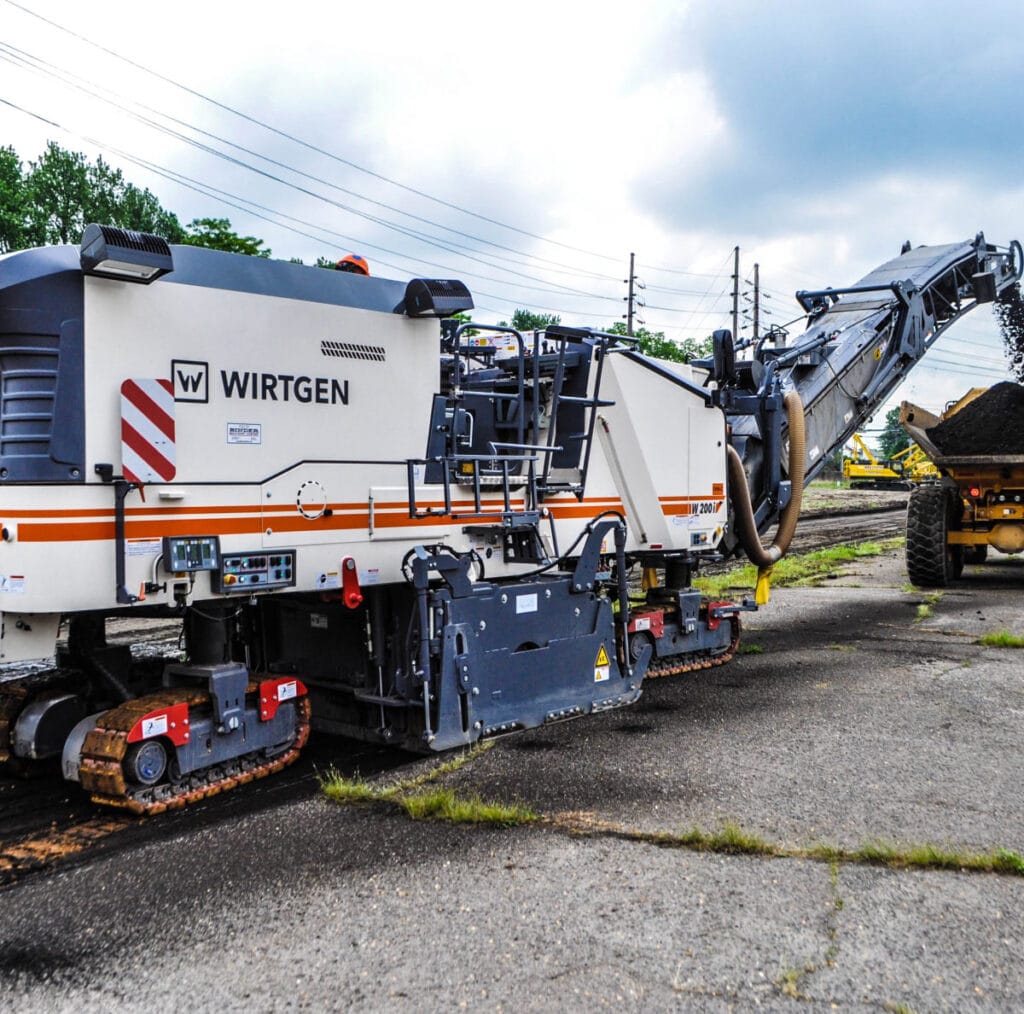
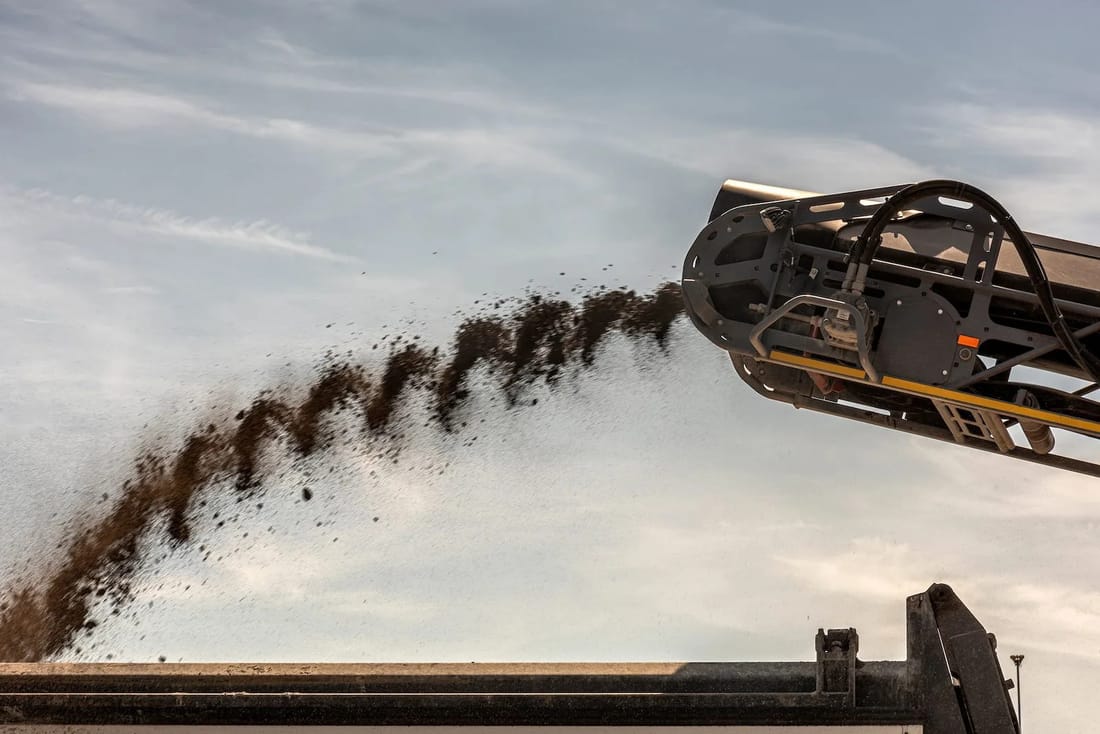
On milling day, we close and barricade the work area, then bring in a cold-planer mill equipped with a drum lined with carbide teeth. The machine is set to the agreed depth, for example 1.5 inches, and moves in straight passes across the pavement. A conveyor loads the milled asphalt into trucks that haul it to a local Cleveland-area asphalt plant for recycling. The milling operation leaves a grooved, uniform surface. Any areas the big machine cannot reach, such as tight corners and around structures, are handled with smaller milling attachments or saw cutting.
After milling, we clean the surface thoroughly with brooms and blowers to remove dust and loose material. We check slopes with levels and string lines to make sure water will move toward storm drains instead of sitting in wheel paths. If we find soft spots or unsuitable base material exposed during milling, we remove it, then replace it with compacted stone or asphalt base before the final paving. Only once the surface and base are sound do we tack coat the milled asphalt and place the new asphalt lift, then compact it with steel drum and rubber-tired rollers to tie into the milled texture.
Asphalt Reclamation and When Full-Depth Work Makes Sense
Asphalt reclamation is different from simple milling. With reclamation, we purposely grind the asphalt and some of the underlying stone base together, then reuse that blended material to build a new base layer in place. This is a good fit for rural roads, industrial yards, and large commercial lots around Cleveland where the surface and the base are both in poor condition or have been patched too many times.
In a full-depth reclamation project, Precision Asphalt Cleveland uses a reclaimer machine that cuts 6 to 12 inches deep through the asphalt and into the aggregate base. The pulverized material is mixed, sometimes with added stone or stabilizing agents if needed, then graded and compacted with rollers. This creates a thick, well interlocked base that is stronger and more uniform than the patched-up layers that were there before. Once the reclaimed base is shaped and compacted, we allow it to cure or dry if moisture content is high, then place new asphalt lifts on top.
Cleveland soils can vary quickly from stable glacial till to softer, more moisture-sensitive areas, especially near the lake and in low-lying industrial parcels. Reclamation is especially useful where the old pavement has deep structural failures, significant base pumping after rain, or lots of prior trenching by utilities. Instead of hauling all the material out and trucking in new stone, reclamation lets us reuse what is on site, which often saves cost and shortens the construction window while still giving you a rebuilt pavement structure.
Costs, Options, and Practical Choices for Cleveland Property Owners
The cost of asphalt milling or reclamation in the Cleveland area is driven mainly by depth of work, total square footage, access, and what is discovered once we start cutting. Shallow surface milling with a standard overlay is generally the most economical. As depth increases or if we move into full-depth reclamation, production slows and more equipment is needed, which raises the price. Tight sites with difficult truck access or many utility castings cost more per square foot than wide open industrial lots where the mill can run at full speed.
Material choices also affect budget and performance. For a milled surface that will receive a new overlay, we select an asphalt mix that matches the traffic level and use. Heavy truck yards might require a thicker base course with a tougher aggregate blend, while retail lots may prioritize a finer surface mix for smoother driving and better striping visibility. In reclamation work, the condition of the existing materials may require adding stone or a stabilizer to get the right compaction and strength.
Before hiring a contractor, a Cleveland property owner should ask for a clear scope that explains milling depth, how transitions to existing concrete and asphalt will be handled, how drainage will be corrected, and what the plan is if unstable base is uncovered. Precision Asphalt Cleveland provides itemized proposals that separate milling, base repair allowances, new asphalt placement, and optional add-ons, such as adjusting manholes or replacing damaged curbs. This level of detail helps you compare bids fairly instead of choosing on price alone with no explanation of what is actually included.
Managing Common Problems and Protecting Your Investment
A few predictable issues come up on most asphalt milling and reclamation jobs, especially in a climate like Cleveland. One is hidden base failure that only becomes obvious after the old asphalt is removed. When that happens, the worst choice is to pave over the weak area and hope for the best, because reflective cracking and potholes will show up quickly. Precision Asphalt Cleveland addresses these spots immediately by undercutting the soft material, replacing it with compacted stone or asphalt base, then rechecking compaction before paving.
Another concern is drainage. If the milling depth is not planned with the final grades in mind, you can accidentally create new low spots or leave standing water around catch basins. We use grade rakes, laser levels, and field checks around each basin and curb line to set milling passes that create or preserve positive slope toward drains. When needed, we adjust structures, grind extra around problem birdbaths, or incorporate minor leveling courses before the final asphalt lift.
For reclaimed sections, moisture content and compaction are key. Working in Northeast Ohio means we deal with sudden rain and high humidity off Lake Erie. If the reclaimed base is compacted when it is too wet, it can lose strength later. We monitor conditions, run field density tests when appropriate, and will delay paving if the base has not reached a stable condition. After the project is complete, we recommend traffic restrictions and maintenance steps, such as waiting a set period before sealcoating and setting a schedule to crack seal joints so water stays out of the new structure. That way, your investment in milling or reclamation holds up through Cleveland winters instead of breaking down after only a couple of seasons.