Home › Commercial Gravel-to-Asphalt Conversions
Upgrade rough gravel surfaces with commercial gravel to asphalt conversions in Cleveland, OH. We transform gravel lots, drives, and roads into smooth, professional asphalt that reduces dust and maintenance. Our crew prepares the base, addresses drainage, and installs durable blacktop suited to your traffic.
Precision Asphalt Cleveland provides professional commercial gravel to asphalt throughout Cleveland, OH, Ohio and the surrounding area. Our licensed, insured crew delivers safe, clean, on-time work with a free estimate before anything begins. Call (216) 455-8661 or request your free quote.
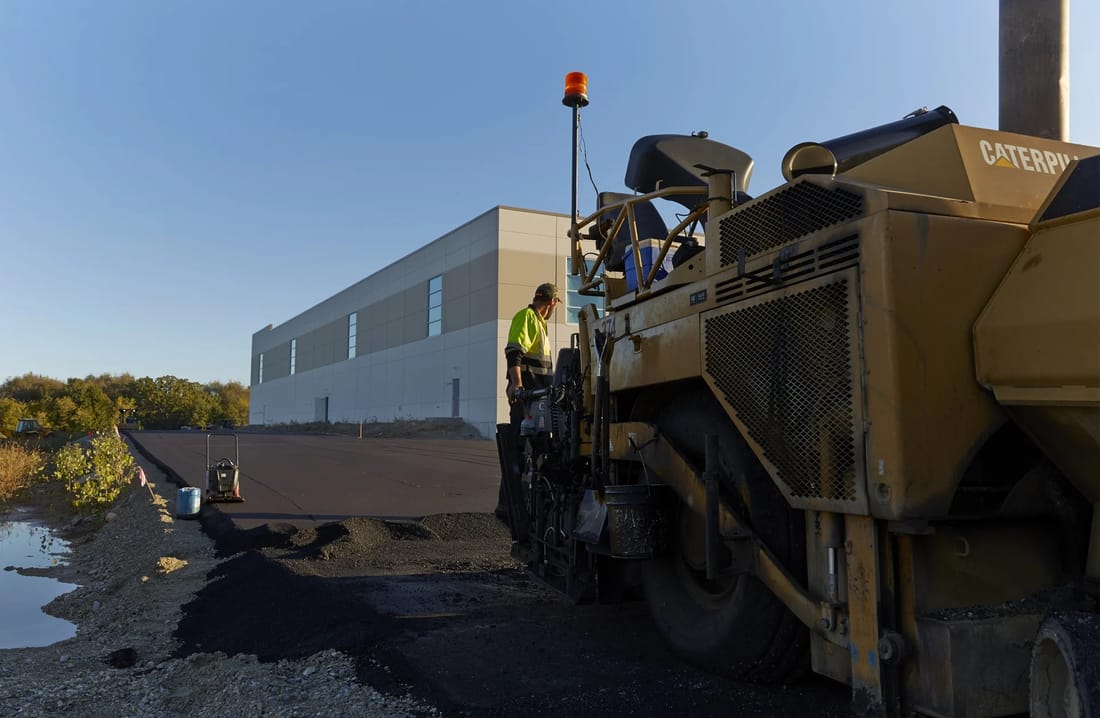
Turn Your Gravel Lot Into a Durable Asphalt Surface
If you are tired of dust clouds in summer, muddy ruts in spring, and constant grading bills, converting your commercial gravel lot to asphalt can be a smart long-term move. Precision Asphalt Cleveland helps businesses across Cleveland and the surrounding Northeast Ohio area turn loose stone lots into smooth, durable asphalt surfaces that are easier to drive on, plow, and maintain.
Most of our commercial gravel to asphalt projects are for small to mid sized businesses: contractor yards, churches, retail plazas, medical offices, apartment complexes, and small industrial properties. Many started with gravel to save money when they first developed the site, then later realized the ongoing issues. Employees and customers track gravel into buildings, delivery trucks sink in soft spots after a hard rain, and snow removal is slow and expensive.
A proper conversion is more than simply paving over gravel. If the base is not evaluated and rebuilt where needed, the asphalt can crack or rut within a couple of winters. Our approach at Precision Asphalt Cleveland is to treat each lot like a small civil engineering project, with careful attention to drainage, base thickness, and the traffic your site actually sees. That way, you get years of dependable service instead of a surface that looks good for one season and then fails.
How We Actually Convert Gravel Lots To Asphalt
A typical commercial gravel to asphalt conversion in Cleveland follows several key steps. We start with a site visit and walk the lot with you. We look for soft spots, standing water, thick areas of existing gravel, and any utility lids or drainage structures that will need adjustment. In Northeast Ohio soils vary quickly, so two corners of the same lot can behave differently under load.
Next we test the existing gravel base. In many older lots the gravel has migrated into the underlying clay, which can be fine as long as it is stable. We use a proof roll with a loaded truck or roller to find weak areas. Any spots that pump, shove, or deflect too much are marked for undercutting. In those locations we dig out the soft material, bring in new aggregate base, then compact it in lifts until it passes another proof roll.
Once any failed areas are addressed, we fine grade the entire lot to the proper slopes. For Cleveland projects, we generally aim to shed water toward catch basins or to landscaped areas, with a minimum slope of about 1.5 percent where possible. This is especially important in our freeze thaw climate because water that sits on the surface or in low spots will turn to ice and accelerate cracking.
After grading, we compact the base with a heavy roller until it meets target density. Only then do we pave. For commercial lots we typically install 2 to 3 inches of asphalt in one or two lifts, depending on your traffic loads. Near dumpsters, loading docks, or frequent truck traffic we may recommend thicker sections or a stronger mix design so the surface holds up under turning and braking.
Finally, we roll the asphalt to a smooth finish, adjust any manhole or catch basin rims, and schedule striping. For high traffic sites, we often plan work in phases so you always have some parking or access available while we pave another section.
Design Choices, Mix Options, And What Drives Cost
Not every gravel to asphalt conversion uses the same design. Precision Asphalt Cleveland tailors the pavement structure to your site conditions and budget. On light duty lots such as small office parking, we might recommend a single 3 inch lift of commercial asphalt over a well compacted aggregate base. For heavier use areas, like auto repair shops with tow trucks or delivery areas with box trucks, we will likely recommend a thicker section and sometimes a binder plus surface course combination.
In our region, most commercial projects use an ODOT or municipal style asphalt mix that balances durability with workability. For dumpster pads or truck lanes we may choose a slightly stiffer mix that resists shoving. If fuel or oil drips are a concern, such as at small fueling areas for fleet vehicles, we can talk about extra surface maintenance plans, although asphalt itself is petroleum based and will soften if exposed to heavy fuel spills that are not cleaned up.
Cost for a commercial gravel to asphalt conversion in Cleveland is usually driven by three main factors: how much base repair is needed, how thick the asphalt needs to be, and how tricky the drainage is. A flat lot with a good existing gravel base that only needs fine grading and 2.5 inches of asphalt will cost less per square foot than a lot with large low spots, soft clay pockets, and multiple catch basins that need to be reset. Access also matters: tight alleys, overhead wires, or limited staging areas can increase equipment time.
We keep pricing transparent by breaking the estimate into line items: base repair, new aggregate if required, asphalt paving, optional concrete work around structures, striping, and any drainage improvements. That way you can see where your money is going and make informed decisions about phasing or value engineering instead of guessing at a lump sum number.
Local Issues Cleveland Property Owners Should Plan For
Cleveland weather is hard on pavement, and gravel to asphalt conversions need to take that into account from day one. Our freeze thaw cycles work moisture up and down through the subgrade. On top of that, lake effect snow creates more plowing events, which means blades scraping your new surface many times each winter.
To handle this, we aim to keep water out of the pavement structure as much as possible. On some sites this means installing or improving underdrains along the edges. On others, particularly older industrial yards along the Cuyahoga or in low lying areas, it can mean raising the finished surface slightly and reshaping the surrounding grades so that runoff does not pond against building foundations.
Snow plowing on a converted asphalt lot is generally easier than on gravel, but there are a few details to protect your investment. We recommend using plow shoes or rubber tipped blades where possible and setting the cutting edge just slightly above the surface so the operator is not peeling up fresh mat in the first year. If you contract snow removal, we can walk the new layout with your plow contractor and point out any areas that need extra care, such as valve boxes, curb islands, or decorative concrete borders.
In older parts of Cleveland and inner ring suburbs like Lakewood and Parma, another common issue is tying new asphalt into existing city sidewalks and apron approaches. We coordinate those transitions so there are no abrupt bumps or tripping hazards at the public sidewalk. When required, we match city specifications for commercial drive aprons and ensure the drainage flow lines remain consistent so you do not get citations for directing water onto the sidewalk or street in the wrong way.
Working With Precision Asphalt Cleveland On Your Project
When you contact Precision Asphalt Cleveland about a commercial gravel to asphalt conversion, we begin with a site meeting, not a guess over the phone. We walk the property with you, talk about how the lot is used today, and ask practical questions: where trucks cut their wheels, which doors are used most, whether you plan to expand operations, and how much downtime you can tolerate during construction.
From there, we prepare a written proposal that includes a simple plan sketch, the proposed pavement structure, and a sequence of work. On many commercial sites we phase the project so you can keep portions of the lot open. For example, we may pave the employee area first while customers park on the gravel section, then swap once the first section is ready for traffic.
Timing is important in Northeast Ohio. We prefer to do conversions when the base is not saturated, usually late spring through early fall. If there is a narrow scheduling window for your business, like a school, seasonal retailer, or medical practice, we will plan the work around your slowest period. In some cases we schedule evening or weekend work for critical tie ins at entrances.
Communication during the project is straightforward. You will have a single point of contact who can answer questions about schedule, changes, or unexpected site conditions. If we uncover something unusual, such as an old buried concrete slab or forgotten tank, we stop, show you the issue, and discuss options before proceeding.
After the paving is complete, we will walk the finished job with you, point out any areas to watch through the first winter, and provide basic care guidelines. For most commercial lots this includes keeping catch basins clear, avoiding sharp turning of heavy vehicles in the same exact spot whenever possible, and scheduling sealcoating only after the asphalt has had adequate time to cure, usually 12 to 18 months for busy commercial sites.